
When a vehicle key becomes difficult to turn, many drivers assume that the ignition cylinder is failing. That conclusion is understandable because the problem appears at the ignition itself. However, the key is often the simpler and less expensive cause.
Vehicle keys wear gradually through years of daily use. The changes may be difficult to see, but even a small loss of definition along the key’s cuts can prevent the internal components of the ignition from aligning correctly. Testing a newly cut key before replacing the ignition can help drivers avoid unnecessary repairs.
A key that will not turn is more often a worn key than a failed ignition. Years of use round off the cuts until the wafers inside the cylinder no longer line up. Before authorizing ignition repair in Toronto, it is worth cutting a fresh key to the vehicle code.
How Car Keys Wear Down
Every time a key is inserted, removed, and turned, it rubs against the internal parts of the lock cylinder. Over time, the ridges and valleys along the key blade can become smoother and less precise.
Keys may wear faster when they are:
- Used several times every day
- Attached to a heavy keychain
- Bent or twisted during use
- Frequently dropped
- Made from a softer metal
- Copied from another worn key
- Used in a stiff or dirty ignition
The wear often happens slowly enough that the driver adapts without noticing. They may begin wiggling the key, pulling it back slightly, or turning it at a particular angle to start the vehicle.
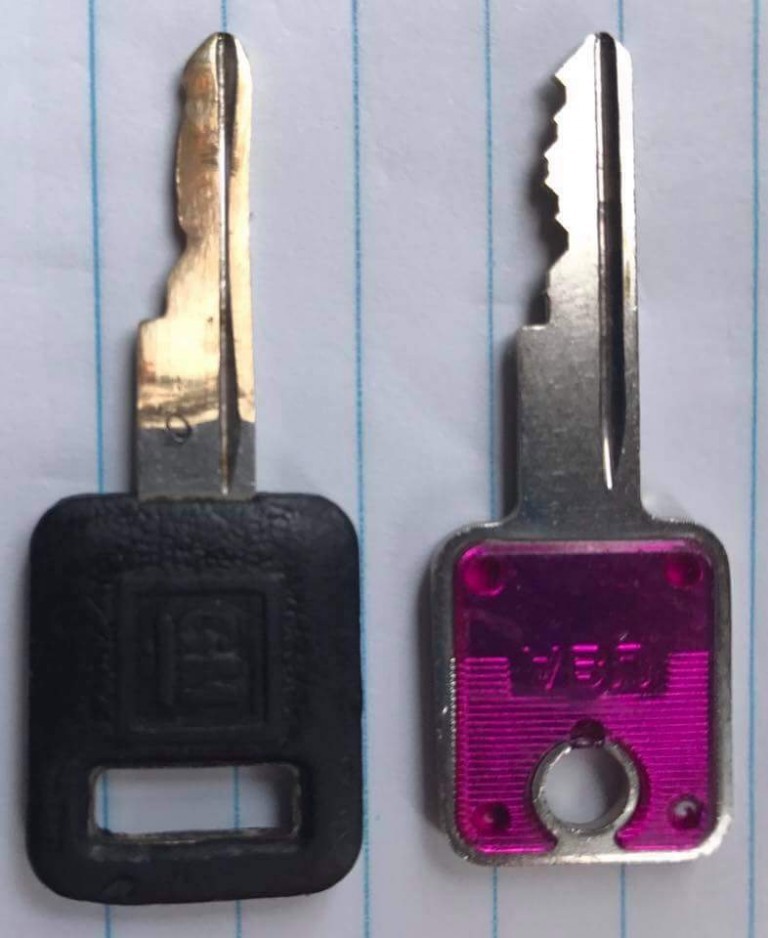
Signs the Key May Be the Real Problem
A worn key can create symptoms that closely resemble ignition damage. The key may enter normally but refuse to turn, or it may work only after several attempts.
Other warning signs include:
- The spare key works better than the main key
- The key operates some locks but not others
- The blade looks shiny or rounded
- The key must be moved while turning
- The vehicle starts only when the key is held at a certain angle
- A recently copied key performs poorly
- The key feels loose inside the ignition
Comparing the everyday key with an unused spare is one of the simplest diagnostic steps. If the spare operates the ignition smoothly, the cylinder may still be functioning correctly.
Why Copying a Worn Key May Not Help
A basic duplication machine normally traces the shape of the key presented to it. If the original is worn, the new copy may reproduce the same worn pattern rather than restore the correct factory dimensions.
In some cases, the duplicate may be even less accurate because small cutting variations are added to the existing wear. This can result in a new-looking key that still turns poorly.
Cutting a key to the vehicle code is different. The locksmith uses the manufacturer’s original key specifications rather than tracing the damaged blade. This can restore the correct depths and spacing of the cuts.
What It Means to Cut a Key by Code
A vehicle key code identifies the original pattern used for the lock system. Depending on the vehicle and available records, the code may be retrieved through the vehicle identification number, manufacturer information, lock data, or specialized decoding equipment.
The locksmith then uses a code-cutting machine to create a key matching the original specifications. This produces a more precise result than copying a heavily worn key.
Proof of ownership is normally required before a provider can retrieve key information or create a code-cut replacement.
When the Ignition Cylinder May Actually Be Failing
Although a worn key is common, ignition cylinders can also wear or break. Internal wafers may become damaged, springs can weaken, and debris may interfere with movement.
The cylinder is more likely to be the cause when:
- Multiple correctly cut keys have the same problem
- The key becomes stuck in the ignition
- The ignition feels unusually loose
- The cylinder does not return from the start position
- The key turns without operating the vehicle
- The steering lock remains engaged
- Metal fragments appear around the key opening
A technician should test the key and inspect the cylinder before recommending replacement.
The Steering Wheel Lock Can Also Prevent Turning
Sometimes neither the key nor the ignition is defective. Pressure on the steering wheel lock can make the key feel completely stuck.
This often occurs when the vehicle is parked with the wheels turned or when the steering wheel is moved after the engine is switched off. The locking mechanism places tension on the ignition cylinder.
The driver can usually release it by gently moving the steering wheel in the direction that still allows slight movement while turning the key. Excessive force should be avoided because it can bend the key or damage the cylinder.

Avoid Forcing the Key
When a key stops turning smoothly, forcing it can make the problem worse. A worn or weakened blade may twist or snap inside the ignition.
Extracting a broken key adds another step to the repair and may damage the cylinder if handled incorrectly. Pliers and improvised tools can push the broken section deeper or scratch the internal components.
If gentle movement does not work, it is safer to stop and have the key and ignition examined.
Be Careful With Lubricants
Drivers sometimes spray general-purpose oil into a stiff ignition. Some products can attract dust and leave residue that interferes with the internal wafers.
Only a lock-appropriate lubricant should be used, and even then, lubrication will not restore a key whose cuts have worn away. If the cylinder works smoothly with a fresh key, additional treatment may not be necessary.
A locksmith can determine whether the ignition is dirty, dry, mechanically worn, or simply being operated with a damaged key.
Check the Spare Before Ordering Repairs
A spare key can provide valuable information. If it has been stored and rarely used, its cuts may remain close to the original factory dimensions.
Drivers should test the spare in the ignition and door locks. A clear difference between the spare and the daily key strongly suggests that wear is contributing to the problem.
When no spare exists, having a key cut to code can serve as both a diagnostic step and a practical replacement.
A Simple Test Can Prevent a Larger Bill
Replacing or rebuilding an ignition cylinder can involve new hardware, labor, key matching, and electronic programming. For vehicles with immobilizer systems, the process may become even more complicated.
A correctly cut replacement key is usually a much simpler first step. If it solves the problem, the driver avoids unnecessary ignition work. If it does not, the fresh key still gives the technician a reliable basis for further diagnosis.
Testing the least invasive explanation first is often the most sensible approach. Before assuming the ignition has failed, drivers should consider the condition of the key, compare any available spare, and request a code-cut replacement when appropriate.